Bocconi University · MSc · Course 20598
Finance with Big Data
Financial theory meets modern data analysis: portfolio theory, asset pricing, and machine learning applied to real financial data — in Python, hands-on, every week.
How the course works
This site is the single reference for the course: everything you need — lecture slides, weekly assignments, datasets, and (after each deadline) full model solutions — lives here.
The course runs on a weekly rhythm:
- Lectures cover the theory: from finance fundamentals to portfolio theory, asset pricing, and machine learning methods applied to financial data.
- PC Labs (PC Labs) are weekly hands-on projects, done in groups, in Python. Each lab is written as a short case study: you are dropped into a realistic professional situation and asked to solve a concrete problem with real data. You submit a Jupyter notebook; after the deadline, a complete model solution is published on the lab page.
Check the schedule below for what’s due and when. New material appears here every week. For grading, group rules, software setup, and everything practical, see Course Info.
What you'll build
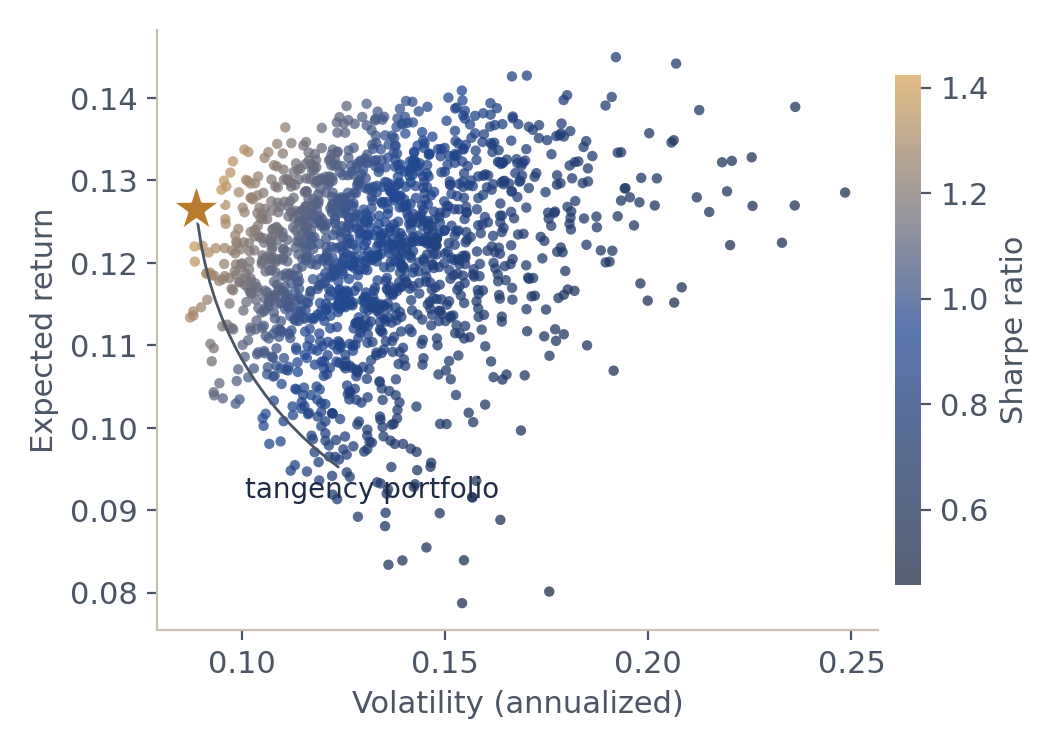
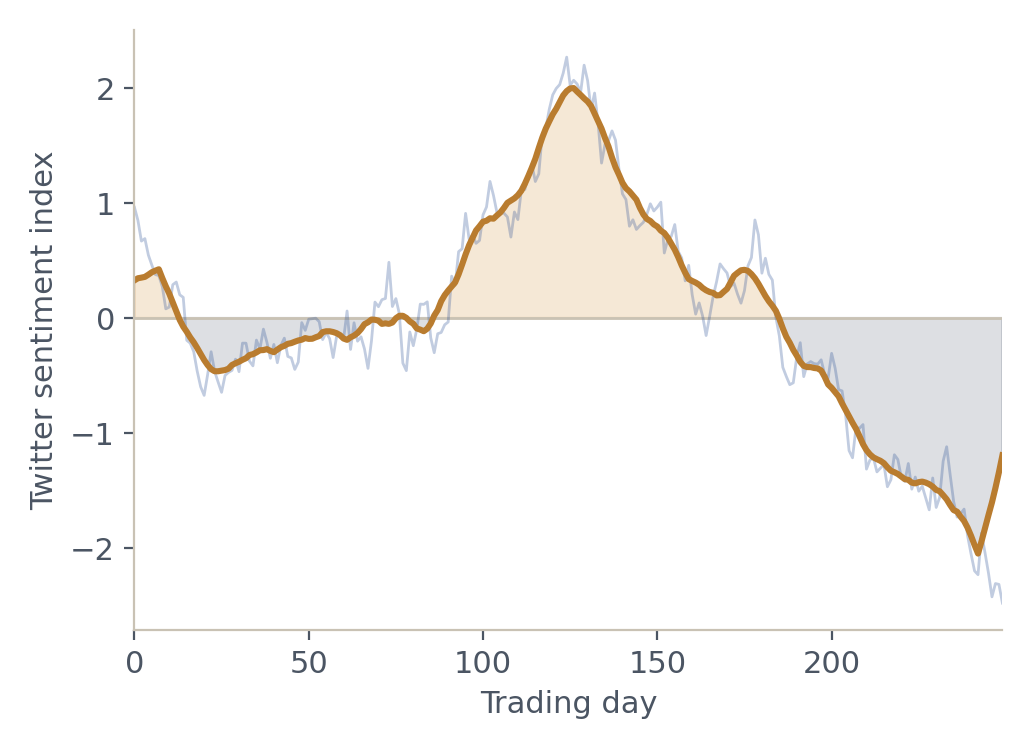
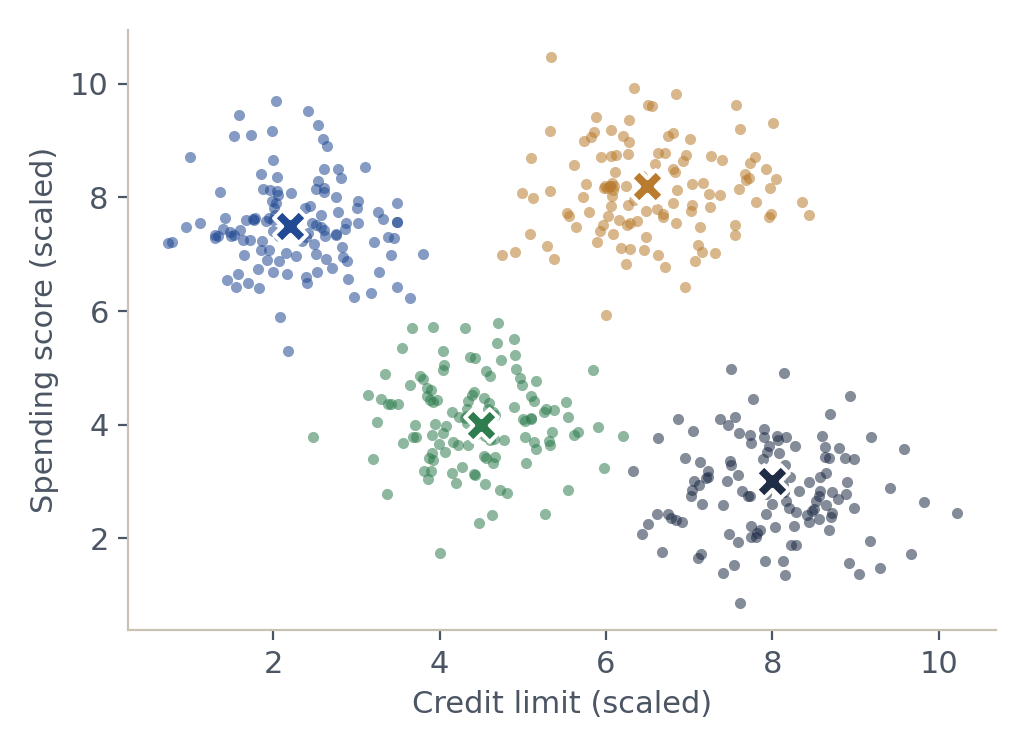
Every PC Lab ends with something concrete: a working notebook, real data, and charts like these.
Schedule
| Week | Lectures | PC Lab | Lab due |
|---|---|---|---|
| Week 1 | Introduction & Finance 1-0-1 | — | — |
| Week 2 | Portfolio Theory | PC Lab 1 — Applied Portfolio Theory | Fri, midnight (Week 2) |
| Week 3 | CAPM and APT | PC Lab 2 — Applying the CAPM | Fri, midnight (Week 3) |
| Week 4 | Empirical Asset Pricing | PC Lab 3 — Creating a Factor from Text Data | Fri, midnight (Week 4) |
| Week 5 | Asset Pricing with Big Data | PC Lab 4 — Predicting Stock Returns with ML | Fri, midnight (Week 5) |
| Week 6 | — | Hackathon — NGO Campaigns & Responsible Investment | 2 weeks — Fri, midnight (Week 7) |
| Week 7 | Microeconomics of Banking | PC Lab 6 — Predicting Credit Scores with ML | Fri, midnight (Week 7) |
| Week 8 | Banking in the Age of AI | PC Lab 7 — Bank Customers Segmentation | Fri, midnight (Week 8) |
| Week 9 | Financial Intermediation in the Age of AI | PC Lab 8 — Measuring Startup Innovation | Optional — not graded |
| Week 10 | Payment Technology & Foundations of Blockchain | — | — |
| Week 11 | Cryptocurrency and Smart Contracts | — | — |
The schedule fills in as the semester progresses — new lectures and labs appear here every week.
Ask, answer, argue
A stuck cell, a result you cannot interpret, a paper worth arguing about — the course forum is open to the whole class. The teaching team answers there, and so can your classmates.
Open the course forum →